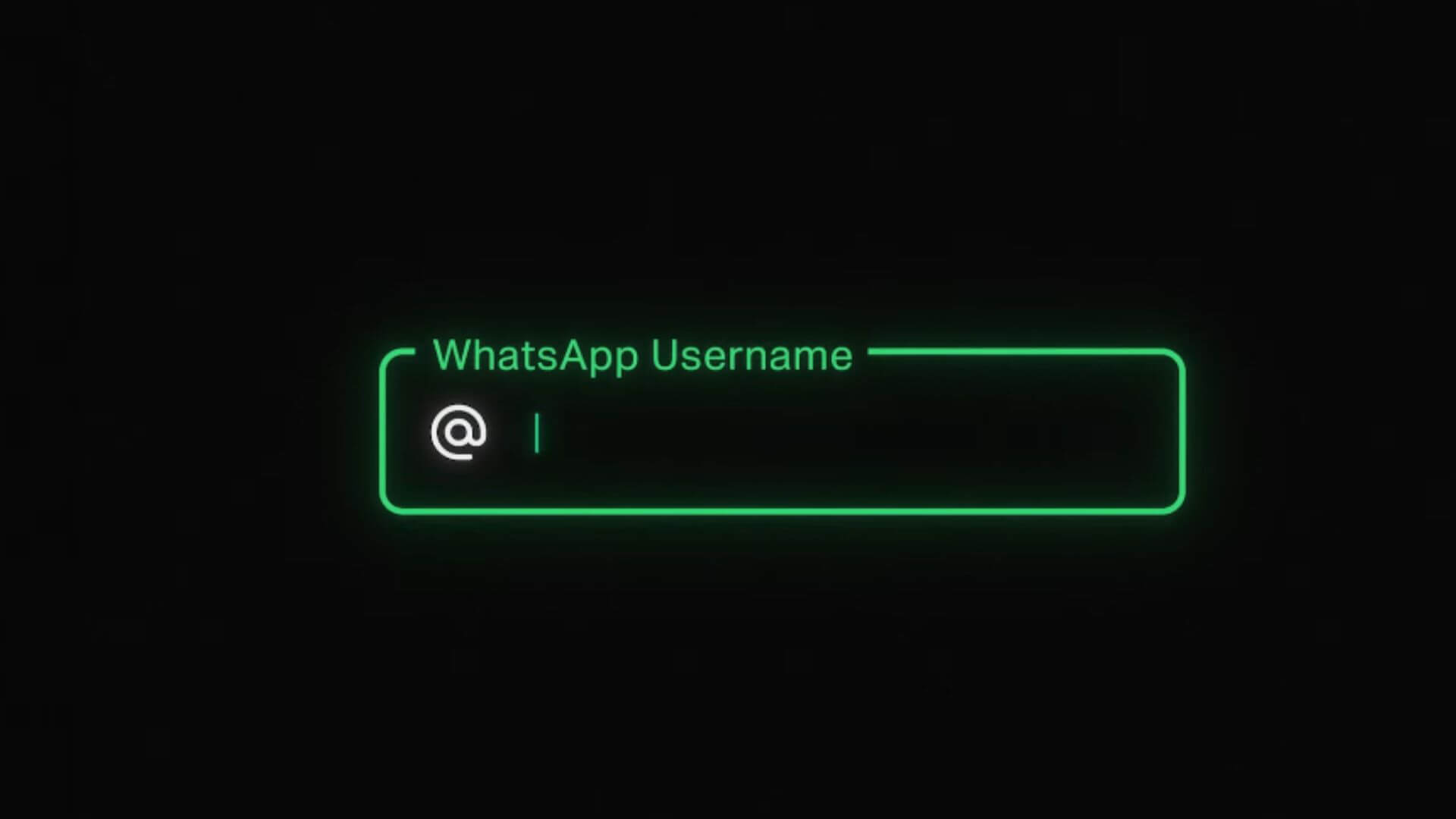
If you use Twilio’s Messaging API to communicate with customers on WhatsApp, you can now continue messaging users even when they choose not to share their phone numbers.
With the introduction of WhatsApp usernames, users can create a username that keeps their phone number private during conversations with businesses. To support this change, Twilio has added Business Scoped User IDs (BSUIDs) to its Platform and Messaging APIs for WhatsApp.
The new identifier is available through the ExternalUserId field in the Messaging API, webhooks, and Event Streams. This allows businesses, developers, and marketing platforms to continue identifying and messaging customers even when their phone numbers are hidden.
To prepare for the change, Twilio recommends storing the new ExternalUserId (BSUID) alongside customers’ phone numbers. Businesses using Twilio Event Streams should also upgrade to the latest version so the new identifier is included in event data. Applications that currently rely only on phone numbers should be updated to accept BSUIDs.
There are some limitations. Not all WhatsApp features support usernames yet. Authentication templates, including one-tap, zero-tap, and copy-code verification messages, still require a phone number.
Twilio also warns that its Flex and Conversations (Classic) products will not initially receive messages from users who adopt WhatsApp usernames unless the user’s phone number and BSUID have already been paired in Meta’s Contact Book.
The rollout begins on July 7 for users in Algeria, Azerbaijan, Ghana, Libya, and Nepal, followed by Colombia, the Dominican Republic, Malaysia, Peru, and Singapore on July 20. WhatsApp usernames are expected to be available worldwide by early September 2026.
For non-Twilio users, here is a Meta guide on how to integrate Business Scoped User IDs (BSUIDs) into your applications to support WhatsApp usernames for your business.